





Asthma

/ Asthma / Asthma Triggers / Air Pollution

Air Pollution and Asthma

Air pollution can cause asthma and other lung diseases. It also worsens asthma symptoms, leads to increased hospital visits, and can cause early death.

What Is Air Pollution?

Air pollution is contamination of the air with substances that harm human health or the environment. The pollution may be gases, chemicals, or small particles in the air.

Air pollution can increase your risk of getting asthma or can worsen your symptoms if you already have asthma.

Airborne Particles

Small airborne particles, found in haze, smoke, soot, and airborne dust can lead to serious air quality problems.

Small airborne particles are called “particulate matter” or PM. The smallest particles (PM2.5) are the most dangerous. They can get deep into the lungs or even your blood.

  • PM10 examples: dust, pollen, mold
  • PM2.5 examples: combustion particles, compounds, metals, smoke and soot, emissions

People with asthma are at greater risk from breathing in small particles and irritating gases. They can irritate the airways and make asthma worse.1

Ozone (O3)

Ozone, a gas, is one of the most common air pollutants. Ozone is helpful in the upper atmosphere but causes problems when it is found closer to the ground in the air we breathe. Ground-level ozone is part of “smog” or haze. It is most common in cities where there are more cars and use of fossil fuels. It is also more common in the summer when there is more sunlight, heat, and low winds. Ground-level ozone is created by chemical reactions between emissions of burning fuel emissions and volatile organic compounds (VOC), heat, and sunlight. It is associated with worsening respiratory diseases such as asthma and chronic obstructive pulmonary disease (COPD). Ozone triggers asthma because it is very irritating to the lungs and airways.

Nitrogen dioxide (NO2), Sulfur dioxide (SO2), Carbon monoxide (CO), Methane (CH4)

Other gases can also affect your health and environment.

Nitrogen dioxide (NO2) comes from burning fuels. It also forms from emissions from cars, trucks, other vehicles, and power plants. It is part of smog (haze). Breathing in NO2 can cause someone to develop asthma. It can worsen lung disease, especially asthma.3

Sulfur dioxide (SO2) comes from burning fossil fuels, transportation, volcanoes, and industrial processes. It can be found in smog or haze. SO2 can harm plants (including trees). It can harm your lungs and lead to health problems.4

Carbon monoxide (CO) forms from incomplete combustion of fuels and wood. It has no smell. It can be very dangerous when it builds up inside buildings, homes, and cars.

Methane (CH4) is another gas that is part of air pollution. It mostly comes from animal agriculture and in subarctic regions where it is released from melting permafrost. Fossil fuels (oil, gas, coal) and waste (food, landfills, wastewater) also add methane to the air. Methane is 30 times more potent at trapping heat than carbon dioxide (CO2) as a major greenhouse gas that is worsening the climate crisis. Methane can turn into ground-level ozone, which is harmful to human health.5

The United States Environmental Protection Agency (EPA) defines air pollution as “any visible or invisible particle or gas found in the air that is not part of the natural composition of air.”

How Does Air Pollution Affect Asthma and Health?

Small particles and gases in the air can pass through your nose or mouth and get into your lungs and blood. Both long-term and short-term exposure to air pollution can cause many health problems.

Breathing in air pollution can cause:

  • Breathing problems
  • Asthma attacks
  • Difficulty breathing deeply
  • Worsened asthma symptoms
  • Decreased lung growth in kids
  • Reduced lung function
  • Needing more doses of asthma drugs
  • Needing emergency treatment for asthma
  • Heart and blood vessel diseases
  • Hospital visits
  • Adverse birth outcomes (such as preterm birth, low birth weight, stillbirth)
  • Early death6

Who Is Most at Risk from Air Pollution?

At high levels, air pollution can be harmful to everyone. But even lower levels of air pollution can harm health.

The groups most at risk from harmful effects of air pollution include:

  • People with lung disease like asthma
  • People with heart disease
  • Babies and children
  • Senior adults
  • People who work outside
  • People who are active or exercise outdoors
  • Individuals who are pregnant and their fetuses
  • People who live near sources of pollution (busy roadways, power plants, industrial facilities, oil and gas production sites)
  • People who have lower incomes
  • Black communities, Hispanic communities, and Native American/Indigenous communities

Test your knowledge about air pollution.

Outdoor air pollution comes from manmade and natural sources.

Indoor air pollution can come from various sources, such as allergens and volatile organic compounds (VOCs).

Air pollution can have a significant impact on your lungs.

When you breathe in small particles in polluted air, it can irritate your lungs.

People with asthma are at greater risk from breathing in small particles and irritating gases. They can irritate the airways and make asthma worse.

Anyone can feel the effects of air pollution, but people with asthma are at a greater risk.

Many local weather forecasts warn the public about high air pollution days.

On days where air quality is 101 (orange) or higher, plan activities indoors, if possible.

Small changes to your home such as removing or reducing allergens, preventing mold growth, avoiding scented products, and more can have a big impact on your health.

How Do I Know If My Area Has Air Pollution?

The EPA reports air pollution levels using the Air Quality Index (AQI). AQI reports on ozone, particle pollution, sulfur dioxide, nitrogen dioxide, and carbon monoxide.

When the AQI is 101 or higher, it is unhealthy for people with asthma. You may have to change your activities and medicines. If you have asthma, your symptoms can worsen even when AQI levels are moderate (AQI 51-100).

Many local weather forecasts warn the public about high air pollution days. You can find this information anytime at AirNow.gov.

When air pollution is high, people with asthma should limit their time outdoors, especially from 11 a.m. to 8 p.m. Stay in a well-ventilated, preferably air-conditioned, building. Most of all, do not exercise or work hard outdoors when the AQI is at unhealthy levels.

Should I Be Concerned About Air Pollution in My Home?

Yes. Your home might even be a “high priority public health risk.” This is probably where you are exposed to most allergens and irritants.

Home is where you cook, eat, sleep, bathe, groom, relax, and play with pets. Indoor air pollution can pose a health risk. Your home may have small particles in the air or damaging gases such as carbon monoxide.

Sources of indoor air pollution include:

  • Household cleaners and air-freshening sprays or devices
  • Fuel-burning heat sources (such as a wood-burning stove)
  • Smoke from cooking, candles, fireplaces, or tobacco
  • Toxic fumes that are “off-gassing” from new products (new furniture and new carpet)
  • Attached garages that store cars, motorcycles, or lawnmowers (can add carbon monoxide to your air)
  • Building and paint products (paints, adhesives, solvents)
  • Pesticides (such as treatments for cockroaches and fleas)
  • Radon (a gas that comes from the ground and enters a home and can rise to dangerous levels)
  • Humidity that allows mold to grow
  • Cosmetics, perfumes, and hair sprays

To reduce your home’s indoor air pollution:

  • Remove or reduce allergens
  • Do not smoke tobacco products in your home
  • Prevent mold growth by lowering the humidity in your home by using exhaust fans in kitchens, bathrooms, and laundry rooms (or open a window if necessary)
  • If you live in a humid area, consider getting a dehumidifier for your home
  • Increase air flow to give your house better ventilation (open windows, doors)
  • Store harmful products in a shed that is not attached to your home
  • Avoid using scented candles or odor-hiding fragrances
  • Install and check carbon monoxide alarms and radon alarms
  • Install Certified Asthma & Allergy Friendly® air cleaners or filters

Should I Worry About Air Pollution in My Work Environment?

Yes, but your concern should be appropriate to the type of environment you work in. If you work outdoors, or if you work with certain chemicals, sprayed substances, powders or known carcinogens or allergens, your risk may be high. The Occupational Health and Safety Administration (OSHA) requires your employer to reduce your risk.

Even if you work in what seems to be a chemical-free environment, you may have exposure to indoor or outdoor air pollution. No matter how old the building is, there may be hidden indoor air pollution. Buildings may have mold spores or cockroaches. These are both powerful allergens. Dust mites are in most indoor areas. New carpet may release toxic fumes. Poorly filtered air systems may spread allergens and irritants. If they are damp, they may actually breed mold spores. If your employer allows tobacco smoking in the building, smoke may pollute the air you breathe.

Medical Review: April 2024 by Miriam Anand, MD, and Jeffrey G. Demain, MD

Closed
Drug Company Assistance Programs

The medicines covered by the programs below may change at any time. The following medicines are covered as of Jan. 24, 2025.


Company:

  • AstraZeneca

Medicines offered:

  • AIRSUPRA®

If you have commercial insurance: If you have employer-provided or individual private (commercial) insurance, you may be able to get AIRSUPRA for as low as $0 with the SUPRA Savings Card.

If you have government insurance: For people with Medicare Part D coverage, the average out-of-pocket cost is $89 per month. For people with Medicaid, the out-of-pocket costs range from $.99-$13 per month. Some states offer even lower copays or eliminate the copay altogether. If you have Medicare Part D and cannot afford AIRSUPRA, you may be eligible for the patient assistance program, AZ&Me.

If you have no insurance: If you do not have health insurance or your insurance does not cover AIRSUPRA, you will pay the amount determined by your pharmacy. You may also be eligible for the patient assistance program, AZ&Me.

Learn more on the Cost Assistance with AIRSUPRA website or call 866-480-0030.


Company:

  • AstraZeneca

Medicines offered:

  • BEVESPI AEROSPHERE®
  • BREZTRI AEROSPHERE®
  • SYMBICORT®
  • FASENRA®
  • TEZSPIRE®

If you have commercial insurance, government insurance, or no insurance:

AstraZeneca US Patient Support offers various savings for several of their medicines. They offer copay savings cards and patient assistance programs depending on what type of insurance you have.

For more information, visit AZPatientSupport or call 800-236-9933.

AstraZeneca has capped the cost of their inhalers to $35 if you have commercial or private insurance. Learn more about the price cap.


Company:

  • AstraZeneca

Medicines offered:

  • TEZSPIRE®

If you have commercial insurance: The TEZSPIRE Together Co-Pay Program can help may help you save regardless of income if you qualify. Get doses for as little as $0 and up to $100 off your in-office administration costs (pre-filled syringe only). Learn more on the TEZSPIRE Together Co-Pay Program website or call 888-987-7473.

If you have government insurance: The TEZSPIRE Together Program, you may be able receive TEZSPIRE at no cost if you qualify. This includes people who:

  • Are uninsured
  • Have Medicare Part B with no supplemental insurance
  • Have a Medicare Advantage plan with an affordability gap
  • Have insurance that does not cover TEZSPIRE

For more information, call 888-987-7473.


Company:

  • Boehringer Ingelheim

Medicines offered:

  • Atrovent® HFA
  • Combivent® Respimat®
  • Spiriva® Respimat®
  • Stiolto® Respimat®
  • Striverdi® Respimat®

If you have commercial insurance or don’t have insurance: If you qualify, your cost will automatically be discounted when you buy these inhalers at participating retail pharmacies. If your cost is more than $35, download and use a savings card. Learn more at: InhalerOffer.com

If you have government-funded insurance: If you use Medicare, Medicaid, CHIP, or TRICARE, visit the Boehinger Cares Patient Assistance Program webpage or call 800-556-8317 to apply for assistance.

Boehringer Ingelheim has capped the cost of their inhalers to $35 if you have commercial or private insurance. Learn more about the price cap.


Company:

  • Sanofi and Regeneron Pharmaceuticals, Inc.

Medicines offered:

  • DUPIXENT®

If you have commercial insurance: The Dupixent MyWay® Copay Card may help you lower the cost of your copay. Learn more on the Dupixent MyWay Copay Card website or call 844-DUPIXENT (844-387-4936), option 1.

If you don't have insurance or your insurance doesn’t cover Dupixent: You can apply for the DUPIXENT MyWay Patient Assistance Program. For more information or to sign up, call 844-DUPIXENT (844-387-4936), option 1.

If you have Medicare: At this time, there is not a savings program for Dupixent if you have Medicare. Call 844-DUPIXENT (844-387-4936), option 1 for more information.

If you have Medicaid: Your copay and coverage may vary depending on what state you live in. If you meet the criteria, you may also be able to get help from the DUPIXENT MyWay Patient Assistance Program. For more information or to sign up, call 844-DUPIXENT (844-387-4936), option 1.


Medicines covered:

  • Epinephrine devices – all brands

Savings programs:


Company:

  • Genentech

Medicines offered:

  • Xolair®

If you have commercial insurance: Genentech offers a copay savings program for Xolair. You may also be able to get help from an independent copay assistance foundation. Pdf icon

If you have government insurance or don’t have insurance: You may be able to get help from an independent copay assistance foundation. Find programs. Pdf icon


Company:

  • GSK (GlaxoSmithKline)

Medicines offered:

  • ARNUITY ELIPTA
  • ANORO ELLIPTA
  • BREO ELLIPTA
  • INCRUSE ELLIPTA
  • NUCALA®
  • SEREVENT®
  • TRELEGY®

If you have commercial insurance: You may be eligible for the GSK Copay Assistance Program.

If you have Medicare or no insurance: You may qualify for the GSK Patient Assistance Program. This program can help you receive certain GSK prescription medicines and vaccines at no cost.

For more information, visit GSK Patient Assistance Program & Savings Offers or call 888-825-5249.

GSK has capped the cost of their inhalers to $35 if you have commercial or private insurance. Learn more about the price cap.


Company:

  • GSK (GlaxoSmithKline)

Medicines offered:

  • NUCALA®

If you have commercial insurance: If you have a commercial medical or prescription insurance plan, you may be able to take part on the NUCALA Copay Program. If you are approved, the GSK Copay Program may help with your cost share for NUCALA and the your cost share for administration up to the total annual copay program maximums.

If you have government insurance or no insurance: You are not eligible for this program if you are covered by any federal or state prescription insurance program.

For more information, visit the NUCALA Copay Program website or call 800-691-1939.


Company:

  • Organon

Medicines offered:

  • ASMANEX® HFA
  • ASMANEX® TWISTHALER®
  • DULERA®

If you have commercial insurance: If you qualify, you may be able to save with an ASMANEX Multiuse Savings Coupon.

If you qualify, you may pay as little as $15 per Dulera prescription on each of up to 12 qualifying prescriptions. The maximum savings is $90 per prescription.

If you have government insurance or no insurance: At this time, there is no assistance program if you have Medicaid or Medicare.


Company:

  • Teva

Medicines Covered:

  • QVAR RediHaler®
  • CINQAIR®

Teva Cares Patient Assistance Program provides certain Teva medicines at no cost if you live in the United States and meet specific insurance and income criteria. Learn more about program eligibility.

If you do not meet the eligibility requirements for the Teva Cares Foundation Patient Assistance Programs, you may be eligible for help from other programs they offer.

For more information, visit the Teva Cares Foundation website or call 888-838-2872.

Back to top

Pharmacy Drug Savings Programs

Program Name:

Contact Information:

About the Program:

  • Blink Health finds the lowest price for the medicines you need. Find discounted prescription prices on more than 15,000 medicines.

Program Name:

Contact Information:

About the Program:

  • BlinkRx is a digital pharmacy service that carries certain medicines. They can provide the lowest prescription price while providing free home delivery.

Program Name:

Contact Information:

  • 855-268-2822

About the Program:

  • GoodRx is a free resource that lets you compare medicine prices and find discounts.

Looking for savings on asthma inhalers? See the GoodRx Savings Guide for ways you may be able to save money on 25 asthma inhalers.


Program Name:

Contact Information:

  • 833-317-2937

About the Program:

  • The Kroger Health Savings Club is an annual membership program that entitles members to reduced prices on prescription drugs.

Program Name:

Contact Information:

About the Program:


Program Name:

Contact Information:

  • 888-331-1002

About the Program:

  • The SCBN Prescription Assistance program is for uninsured or underinsured people who cannot afford their prescribed medicines.
  • The program requires a membership fee to participate.

Program Name:

Contact Information:

  • Contact your local Walmart pharmacy

About the Program:

  • The Walmart low-cost Prescription Program includes up to a 30-day supply for $4 and a 90-day supply for $10 of some covered generic drugs at commonly prescribed dosages. Prices for some drugs covered by the program may vary by state.

Program Name:

Contact Information:

  • 877-296-4673

About the Program:

  • Prescription Hope provides access to brand-name medicines for only $60 a month per medication through their medication access service. Learn about program eligibility.

Back to top

Nonprofit Copay and Premium Assistance Programs

Organization:

Contact Information:

About the Program:

  • AcariaHealth provides specialty pharmacy services for people living with complex and chronic health conditions. Their Copay Assistance Support Team will research and apply to qualifying patient assistance programs on behalf of the patient. Learn about the program.

Organization:

Contact Information:

  • 800-366-7741

About the Program:

  • Accessia Health provides financial help to pay for copays, health insurance premiums, travel costs, and other medical expenses. Learn about program eligibility.

Organization:

Contact Information:

  • 877-968-7233

About the Program:

  • Good Days provides financial support for people who cannot afford the treatment they urgently need.
  • Copay, travel, premium, and diagnostic testing assistance may be available.
  • Learn about eligibility criteria.

Organization:

Contact Information:

  • 980-859-3483
  • gro.htaprobrah@ofni

About the Program:


Organization:

Contact Information:

About the Program:

  • HealthWell Foundation provide financial assistance to help with prescription copays, travel costs, behavioral health services, health insurance premiums, deductibles, and copays. Please note that diseases covered may change from time to time.

Organization:

Contact Information:

  • 866-316-7263

About the Program:

  • The PAN Foundation offers financial help for out-of-pocket medicine costs including copays, health insurance premiums, and transportation costs related to medical care. Learn about program eligibility. Please note that diseases covered may change from time to time.

Organization:

Contact Information:

  • 866-512-3861

About the Program:

  • PAF’s Co-Pay Relief (CPR) program provides direct financial help to qualified people with co-payments, co-insurance or cost-sharing associated with prescription drugs through funds for specific disease states. Learn about program eligibility. Please note that diseases covered may change from time to time.

Organization:

Contact Information:

  •  800-769-3880

About the Program:


Organization:

Contact Information:

  • 855-845-3663

About the Program:

  • TAF helps people and families by providing them with financial help for their copays, coinsurance, premiums, deductibles, and other health-related expenses.


Back to top

Patient Assistance Tools and Databases

Tool:

Contact Information:

  • 800-794-6559

More Information:

  • BenefitsCheckUp® is a free service of the National Council on Aging (NCOA). It is an online tool to connect older adults and people with disabilities to benefit programs such as health care, medicine, food, utilities, and more.

Tool:

Contact Information:

About the Program:

  • Dispensary of Hope provides medicine to communities, free of cost. They are a charitable medication distributor dedicated to providing pharmacies and clinics with reliable access to medication that was generously donated by pharmaceutical manufacturers. Find a dispensing site near you, here.

Tool:

Contact Information:

  • 800-503-6897
  • gro.sdemydeen@ofni

More Information:

  • A national nonprofit that connects people to programs that may help them afford their medicines and other health care costs.

Tool:

Contact Information:

  • 571-350-8643

More Information:

  • PhRMA’s Medicine Assistance Tool (MAT) is a search engine for many patient assistance resources offered by drug makers.

Tool:

Contact Information:

More Information:


Tool:

Contact Information:

More Information:

  • SingleCare works with pharmacies on discounts on prescriptions. Look up prescriptions to find the lowest prices in your area.

Tool:

Contact Information:

  • 800-719-5147
  • moc.esnesxr@rednifsgnivasxr

About the Program:

  • Walgreens Rx Savings Finder can help you find prescription discount cards that can help you find the lowest price on a medicine at Walgreens.

Back to top

State Drug Assistance Programs

Organization:

Contact Information:

  • 800-772-1213
  • (TTY 800-325-0778)

More Information:

  • The Extra Help program helps people with limited income and resources lower or cut Medicare Part D costs.

Organization:

Contact Information:

  • 877-839-2675
  • gro.htlaehpihs@ofni

More Information:

  • Free insurance counseling and help to Medicare-eligible people, their families, and caregivers.

Organization:

Contact Information:

  • Contact your local county office.

More Information:

  • CalAIM offers people on Medi-Cal access to services that address ​physical, behavioral, developmental, dental, and long-term care needs.

Organization:

More Information:


Organization:

More Information:

  • Learn more about pharmaceutical companies that offer programs to help pay for prescriptions for people with a Medicare Drug Plan (Part D).

Back to top

Community Resources

American Sleep Apnea Association: Assists people with sleep apnea who cannot afford their CPAP mask supplies through the CPAP Assistance Program.

Friends of Man: Receives applications for mobility equipment, prosthetics, home modifications, medical equipment, hearing aids, basic needs and much more. The referral must be made by a professional. This includes caseworkers, case managers, health care workers, social workers, school counselors, teachers, and clergy.

FoodFinder: A map of food pantries across the United States. Search your ZIP code to learn about free food assistance programs near you.

FundFinder: Helps you find financial assistance from charitable foundations.

Inspira Financial: Funds in a health savings account (HSA) or a health care flexible spending account (FSA) can be used for eligible medical expenses.

Society of St. Vincent de Paul: A national non-profit that provides local assistance and services.

United Way 211: The most comprehensive source of information about local resources and services in the country.

Back to top

AAFA Regional Chapters

The AAFA New England Chapter has more information on drug assistance for Massachusetts residents.

The AAFA Michigan Chapter has more information on drug assistance for Michigan residents, including the Jared Williams Medication Fund (JWMF).

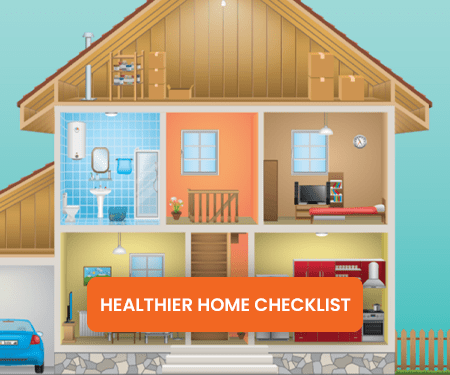
healthier home checklist
Your Guide to Managing Asthma brochure cover

Asthma Capitals

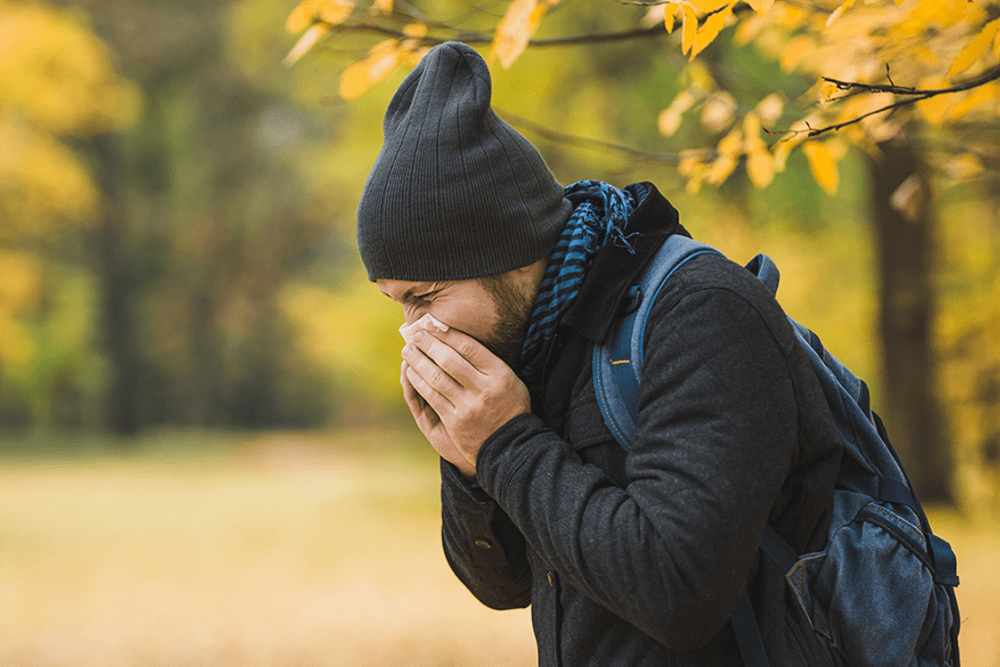
Where you live can have an impact on your asthma. AAFA’s Asthma Capitals™ report looks at the top 100 most challenging cities in the continental United States to live with asthma.
Read the Report>